
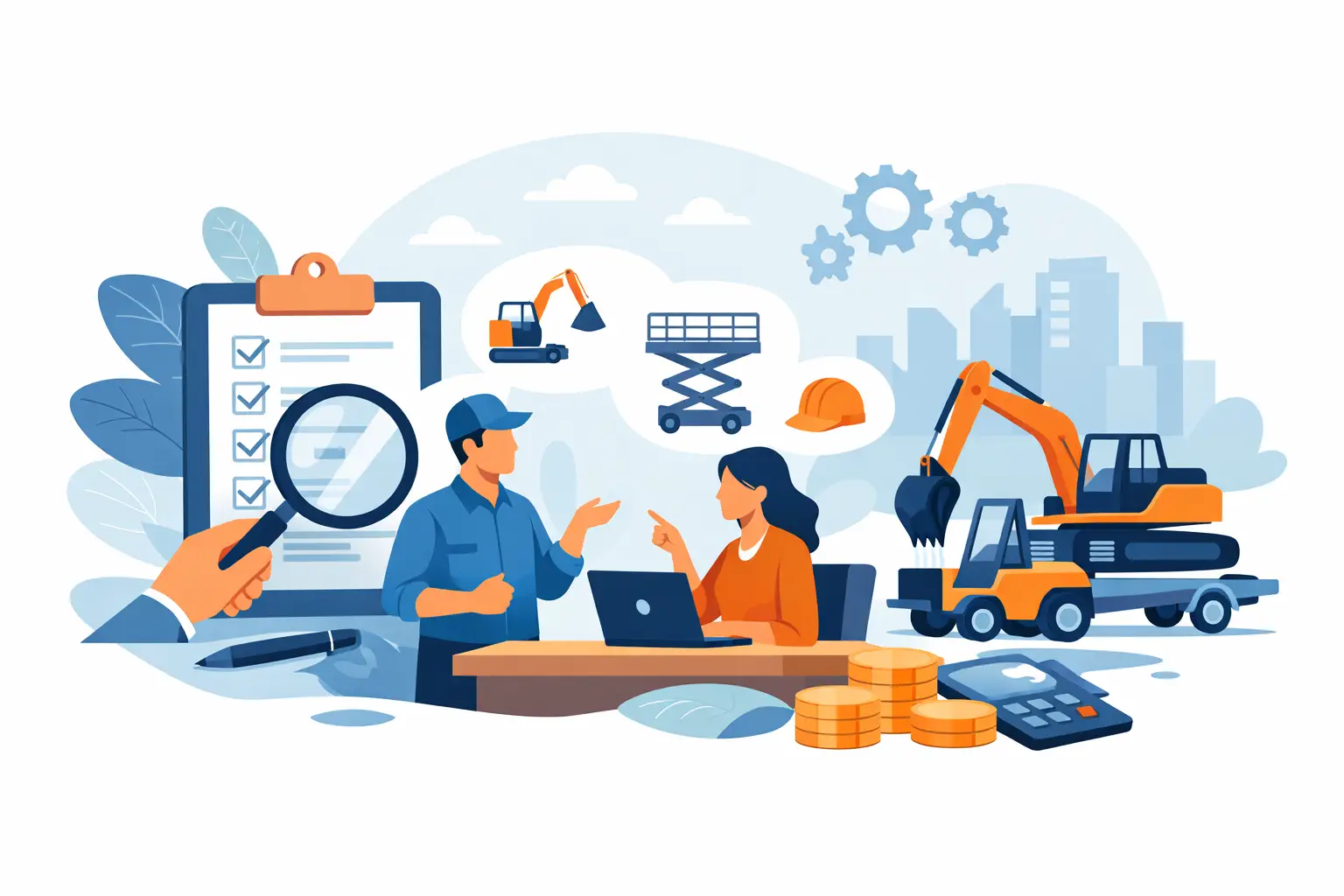
You do not need to own every machine on site to get the job done properly. That is the simplest way to understand equipment hire meaning. It means paying to use a tool, machine or piece of plant for a set period, then returning it when the work is finished. For tradies, contractors and serious DIY customers, it is often the quickest and most cost-effective way to get access to the right gear without tying up cash in equipment that sits idle between jobs.
What equipment hire meaning actually covers
At its core, equipment hire meaning is temporary access to equipment in exchange for a hire fee. That could be for four hours, a day, a weekend, a week or longer, depending on the job and the supplier.
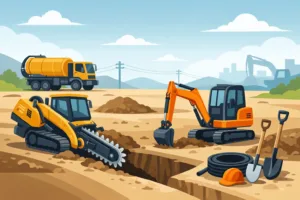
The equipment itself can range from a pressure washer or concrete saw through to excavators, skid steers, mini loaders, tipper trucks, generators, pumps, scaffolding and trailers. The principle stays the same. You are not buying the asset. You are hiring it for a defined use period so you can complete specific work.
That distinction matters because ownership and hire solve different problems. Buying suits gear you use constantly and can justify maintaining. Hiring suits equipment you need for a short run, for a specialist task, or when your own machine is off the road and the job cannot wait.
Why equipment hire is common on real jobs
On paper, buying equipment can look like the simple option. In practice, it often is not. Machines cost money upfront, then keep costing money through servicing, storage, registration, transport, tyres, wear parts and downtime.
Hiring changes that equation. Instead of carrying the full cost of ownership, you use the machine when there is actual work for it. That is why equipment hire is standard across construction, concreting, landscaping, earthmoving, floor preparation, maintenance and cleaning work.
If you are trenching for half a day, grinding a slab for a weekend, pumping water off a site after rain or shifting spoil with a mini loader for two days, ownership may not stack up. Hire lets you match the tool to the task without overcommitting.
Equipment hire meaning for tradies and contractors
For trade customers, equipment hire meaning is not just “borrowing a machine for money”. It is a practical way to keep projects moving.
Say a concreter needs a concrete grinder, a core drill and a trailer for different stages of one job. Or a landscaper needs a posi track for site cuts, then a compactor and pressure washer to finish clean-up. Buying every item would blow out overheads fast. Hiring means they can bring in the right gear at the right time and keep labour productive.
It also helps with workload spikes. A builder might own one excavator but need a second machine for three days. A maintenance crew might need extra ladders, pumps or generators during a shutdown. Hiring fills the gap without forcing a long-term capital decision.
That is where a good local hire provider earns its keep. Fast turnaround, sensible hire terms and staff who know the gear can save a lot of mucking around.
The main parts of a hire arrangement
When people ask about equipment hire meaning, they are usually also asking what is included in the deal. The answer depends on the item and the supplier, but a standard hire arrangement usually covers the machine or tool itself, a set hire period and the conditions for use and return.
There may also be charges or terms around fuel, cleaning, damage, late returns, delivery and pickup. Some machines go out with buckets, blades, hoses or other attachments included. Others may have optional extras depending on the job.
This is why it pays to ask a few straight questions before loading up. What exactly is included? Is the rate for four hours, a full day or a calendar day? Do you need a trailer? Is there a bond? What condition does it need to come back in? Clear answers upfront usually mean fewer surprises later.
Hiring equipment versus buying it
There is no one-size-fits-all answer here. Some businesses should absolutely own their core gear. If you use the same machine every day, have the storage space, can manage servicing and know it will stay busy, buying can make sense.
But that is not the whole market. Plenty of equipment is job-specific, seasonal or only needed now and then. In those cases, hire is often the better commercial choice. It preserves cash flow, reduces maintenance headaches and avoids paying for a machine that spends more time parked than working.
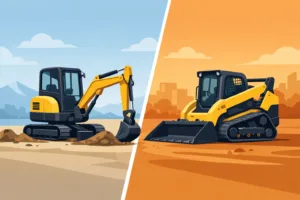
There is also less risk of buying the wrong unit. On varied sites, the best machine for one job can be the wrong one for the next. Hiring gives you flexibility. One week it might be a mini excavator with tight access. The next it could be a skid steer, a tipper truck or a generator for remote power.
Why the right equipment matters more than the cheapest option
One trap with equipment hire is choosing purely on rate. Cheap hire is not good value if the machine is wrong for the task, unreliable, or takes twice as long to finish the work.
Equipment hire meaning should really be tied to productivity. You are hiring results, not just metal. A suitable machine can cut labour hours, reduce rework and help avoid site delays. That usually matters more than shaving a few dollars off the daily rate.
This is especially true with specialised equipment. Floor prep gear, coring equipment, pumps and compact machines for tight-access work all have job-specific considerations. The right advice can save a lot of wasted time.
What to check before you hire
Before booking equipment, be clear about the job, access and site conditions. Ground type, width restrictions, lift requirements, power availability and disposal needs can all change what machine is suitable.
For example, a compact excavator may be ideal for backyard access, but if spoil has to be moved a fair distance, a mini loader or tipper might need to be part of the plan as well. A pressure washer may handle basic clean-up, but heavy surface prep could call for a grinder or scarifier instead. Close enough is not always good enough on a live job.
It also helps to think about timing. Short hire periods can be excellent value if the site is ready to go. If other trades are still in the way, hiring too early can waste money. Good planning gets the most out of the hire window.
Equipment hire meaning and responsibility on site
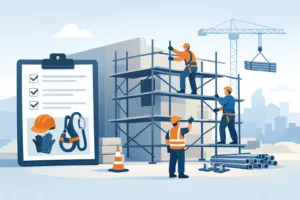
Hiring equipment does not remove responsibility from the operator. You still need to use the gear correctly, safely and within its intended purpose. The hirer is generally responsible for basic care while the machine is in their possession, along with checking that the operator is competent for the task.
That does not mean hire is complicated. It just means the arrangement works best when both sides are clear. The supplier provides job-ready equipment and straightforward terms. The customer uses it properly, returns it on time and flags any issues early.
If there is any doubt about machine suitability, transport or operation, ask before the hire starts. It is a lot easier to sort out the right unit at the yard than on site with crews waiting.
Equipment hire meaning in plain terms
If you want the plain-English version of equipment hire meaning, it is this: you get the equipment you need, for the time you need it, without the full cost and hassle of owning it.
That is why hire works so well across short jobs, specialist tasks, project peaks and replacement needs. It gives businesses and hands-on customers a practical way to finish work faster, protect cash flow and keep moving when the schedule is tight.
For Gold Coast jobs especially, speed and convenience matter. When the right machine is available, the rate is fair and the advice is useful, hire stops being a stopgap and becomes the smarter way to run a lot of work.
If you are weighing up whether to buy or hire, start with the job in front of you, not the machine itself. The best choice is usually the one that gets the work done properly, on time, and without leaving you stuck with gear you do not need next week.



Add comment