
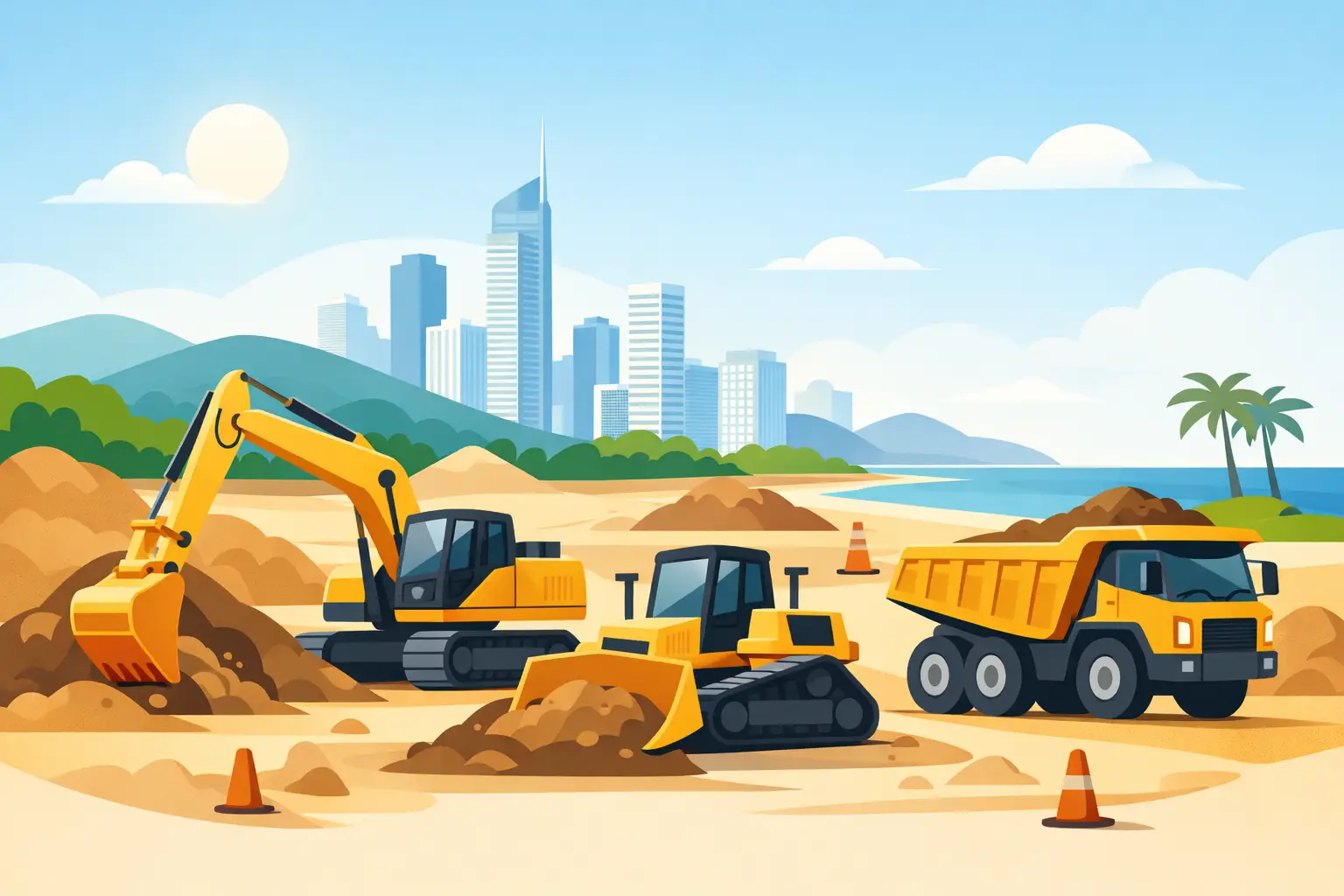
A tight-access backyard dig, a new driveway sub-base or a site cut can turn into a slow, expensive job if the machine is too big, too small or fitted with the wrong attachment. The right earthmoving equipment hire gets material moved properly, keeps labour productive and helps you finish the job on schedule without carrying the cost of owning specialised plant.
For Gold Coast tradies, contractors and serious project customers, the best hire choice is rarely just about getting the biggest machine available. Ground conditions, access, loading height, the volume of spoil and where it needs to go all matter. A machine that suits the job saves time every hour it is on site.
Start with the work, not the machine
Before booking equipment, be clear about what needs to happen on site. Digging a trench for drainage is different from stripping turf, spreading road base or loading a tipper. Each task puts different demands on the machine, operator and attachments.
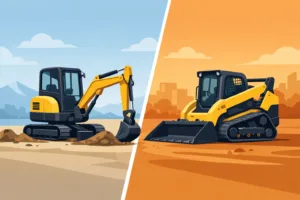
For excavation work, look at the required digging depth, reach and how close you need to work to fences, services or structures. A compact excavator is often the practical answer for backyards and residential access, where a larger machine may not physically get through the gate or may damage finished surfaces.
For shifting loose soil, mulch, gravel or demolition material, a posi track or skid steer can move quickly across an open site and load a truck efficiently. If you are working on softer ground, track machines generally offer better flotation and traction than wheeled options. On firm hardstand or concrete, a wheeled skid steer may suit the task and can be easier to manoeuvre in some areas.
Mini loaders are a useful middle ground for landscaping, smaller residential jobs and work where access is limited. They handle a range of loading and material-moving tasks without the footprint of larger plant. The best option depends on the actual site, not the name of the machine.
Match earthmoving equipment hire to access
Access is where many jobs are won or lost. Measure the narrowest point from the street to the work area, including gates, side passages, retaining walls, overhanging eaves and tight turns. Do not assume a machine will fit because it looks compact in the yard.
Also consider the path into the site. A steep driveway, soft lawn, tiled path or recently laid pavers can change the plan. Tracks can reduce ground pressure, but they can still mark lawns and damage surfaces when turning sharply. Protect finished areas where needed and allow room for machines to turn, load and unload safely.
Height matters as well. Check garage entries, carports, low branches and overhead lines before arranging delivery or collecting equipment on a trailer. If the machine has to travel through a narrow side access, allow for bucket width and the operator’s ability to make turns, not just the listed machine width.
A few minutes spent measuring before hire can avoid a wasted trip, a machine sitting idle, or a last-minute change that delays the crew.
Think about where the spoil will go
Excavation creates material quickly. If there is no clear spoil plan, the site can become congested before the digging is half done. Decide whether material will be stockpiled, spread elsewhere on site, loaded into a tipper or removed progressively.
A compact excavator paired with a tipper can be an efficient setup where spoil needs to leave the property. For larger open sites, a loader-style machine may keep trucks supplied faster. The right combination avoids having a digger waiting for somewhere to put material, or a truck waiting because the loading machine cannot keep up.
Allow enough space for truck access, turning and safe loading. On residential streets, think through where the tipper can park without blocking driveways, creating traffic issues or forcing the machine to travel too far with every bucket.
Choose attachments that reduce hand work
Attachments make a major difference to what a machine can do in a day. A general-purpose bucket may be suitable for bulk excavation, but it is not always the cleanest choice for every task. Trench buckets help keep service trenches neat and reduce excess spoil. A mud bucket can make shaping and trimming more efficient. Augers are suited to holes for posts, footings and planting, while pallet forks can move materials around site.
The point is not to hire every attachment available. It is to identify the one that removes the biggest bottleneck. If a crew will otherwise spend hours barrowing dirt, digging post holes by hand or shifting pallets manually, the correct attachment can pay for itself quickly.
Check attachment compatibility before the job starts. Hydraulic attachments need the right machine setup, and changing attachments takes time. Tell the hire team what you are digging, lifting, loading or clearing so the machine can be specified properly.
Plan hire time around the real job
Earthmoving work is rarely only the digging. There is site setup, locating services, loading material, cleaning up and sometimes waiting on other trades. Booking a machine for the exact number of digging hours can leave no room for normal site delays.
On the other hand, paying for a full day when you only need a short, contained task is unnecessary. Flexible terms are useful for jobs such as digging a small trench, loading green waste or spreading a delivered load of gravel. Four-hour hire can make sense when the work is prepared, materials are ready and the operator is not waiting on deliveries or access.
Weekend hire can also be good value for owner-operators and project customers who need to work around weekday commitments. The practical approach is to prepare the site first: mark out the work, move vehicles, organise spoil removal, confirm material deliveries and make sure the machine has a clear route in and out.
If rain is likely, factor it in. Gold Coast conditions can change fast, and wet ground affects access, traction and cleanup. In some cases, postponing a job is cheaper than trying to recover a bogged machine or repair damaged turf.
Safety starts before the machine arrives
Earthmoving plant is productive because it has power and weight. That also means site preparation and competent operation matter. Identify underground services before digging, including electrical, gas, water, sewer, communications and irrigation lines. Do not rely on old plans, visible meters or assumptions about where services run.
Keep people clear of the operating area and establish a simple exclusion zone, especially when loading trucks or working near structures. Operators need clear sightlines, and spotters need to stay visible and out of swing areas. Never work under a raised load or bucket.
Check the ground for slopes, unstable edges, trenches and soft areas. Excavators can become unstable when working across a slope or reaching too far downhill. Skid steers and posi tracks need particular care when carrying loads, as a raised bucket changes the centre of gravity.
Use the machine as intended. A bucket is not a work platform, and a compact excavator is not a lifting solution unless the work is planned correctly with suitable rated lifting points and gear. If there is any doubt about machine capability, load limits or safe operation, stop and ask before continuing.
What to check before collection or delivery
A quick pre-start check keeps small issues from becoming lost time on site. Confirm the machine is appropriate for the task, inspect buckets and attachments, and make sure you understand the controls before loading up. Check fuel requirements, transport arrangements and where the machine will be secured when not in use.
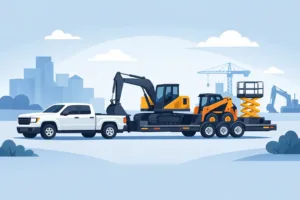
For trailer collection, make sure the tow vehicle has the correct towing capacity, coupling, electrical connection and rated tie-down points. Plant must be restrained properly for transport. If delivery suits the job better, make room for the delivery vehicle and provide clear instructions for site access.
Take photos of the work area before starting if you are operating near driveways, fencing, lawns or finished surfaces. This is sensible job practice, particularly on residential properties. It also helps you plan where protection boards, mats or temporary barriers may be needed.
Get practical advice before you book
The cheapest hire rate is not always the lowest job cost. A machine that takes twice as long, cannot access the work area or leaves the crew doing heavy manual work will cost more by the end of the day. Hiring the right size machine with the right attachment is usually the faster, safer call.
Small Hire supplies job-ready excavators, posi tracks, skid steers, mini loaders, tipper trucks and supporting equipment for Gold Coast projects. If you have measurements, photos of access and a clear description of the task, experienced staff can help narrow down the right setup before the job starts.
Get the site ready, be realistic about the material you need to move, and choose equipment that fits both the work and the access. That is how you keep the machine working, the crew moving and the job heading towards handover.



Add comment