
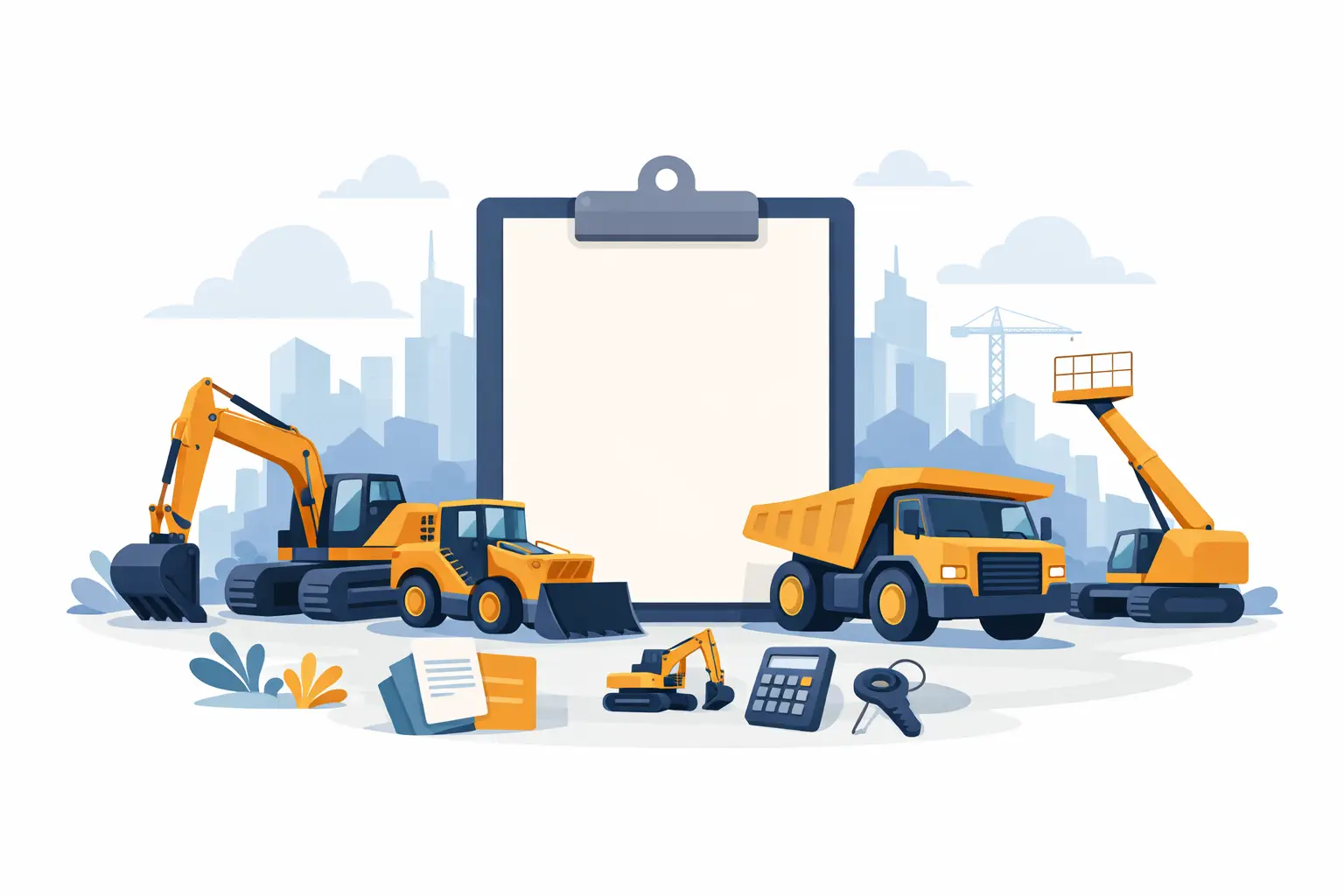
Picture a job that needs an excavator for two days, a concrete grinder for one, and a tipper truck over the weekend. Buying all three makes no sense for most crews. That is exactly where what is heavy equipment rental becomes a practical question, not just a definition.
Heavy equipment rental is the short-term or project-based hire of machinery and specialised tools instead of purchasing them outright. You pay to use the equipment for a set period – anything from a few hours to a weekend or several weeks – and return it when the work is done. For contractors, tradies and serious DIY customers, it is a straightforward way to get the right machine on site without tying up cash in equipment that may sit idle between jobs.
What is heavy equipment rental in plain terms?
In plain terms, heavy equipment rental means accessing machinery when you need it, for as long as you need it, without the full cost and responsibility of ownership. Depending on the job, that might mean hiring an excavator for trenching, a skid steer for site clean-up, a compactor for prep work, or a pressure washer for maintenance.
The term “heavy equipment” can sound like it only applies to major civil jobs, but in practice it covers a broad range. On the Gold Coast and across surrounding work areas, hire customers often need a mix of earthmoving gear, concreting equipment, floor preparation machines, trailers, pumps, generators and access gear. Some machines are genuinely large. Others are compact enough for tighter residential sites but still expensive enough that buying them for occasional use does not stack up.
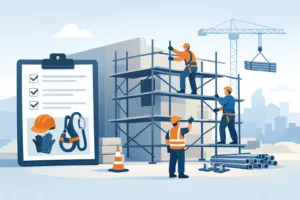
That is why rental works well across different trades. A landscaper might hire a mini loader for a tight access yard. A concreter might need coring gear for one stage of a job. A builder might need scaffolding, ladders and a trailer for a short run of works. The common thread is simple – hire the gear, use it hard, hand it back.
How heavy equipment rental usually works
The process is usually straightforward, because it needs to be. When a job is moving, nobody wants a drawn-out hire process.
You work out what the job requires, choose the machine or tool that suits the site and task, then book it for the required hire period. That period might be a 4-hour slot for a quick push, a day rate for standard site work, or a weekend hire if that offers better value for the schedule. Once collected or arranged, the equipment is used for the agreed work and returned after the hire period ends.
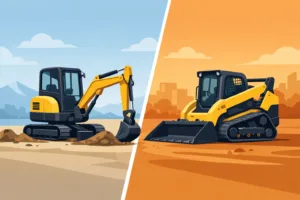
The better hire setups do more than just hand over keys. They help customers match the right machine to the task, which matters more than many people realise. Hiring a machine that is too small can slow the whole job down. Hiring one that is too large can create access problems, transport headaches and unnecessary cost. Good advice at the front end saves time on site.
There will also usually be basic hire conditions around identification, payment, safe operation and return condition. For larger or more specialised items, there may be extra checks or operating guidance. That is standard. The point is to get job-ready equipment out fast while keeping things safe and clear for everyone.
Why businesses hire instead of buy
For most operators, the first reason is cash flow. Machinery is expensive to purchase, and that cost does not stop at the sticker price. There is servicing, repairs, storage, transport, registration for some items, replacement parts and the downtime that comes when equipment is off the road or off the job.
Hiring avoids a lot of that burden. You are paying for access, not ownership. If a machine is only needed occasionally, rental is often the smarter move. It keeps capital free for labour, materials and other operating costs that directly affect the job.
There is also the issue of utilisation. An excavator that works every day may justify ownership for some businesses. A concrete saw needed once every few weeks usually will not. The same goes for specialist equipment used for one stage of a project and then not touched again for months. Rental lets you scale up or down depending on workload.
Another reason is flexibility. Jobs change. Site conditions change. Timelines blow out. A crew might start with one machine in mind and realise they need something different once they are on site. Hiring makes it easier to adjust without being stuck with the wrong asset in the yard.
What equipment is typically included?
When people ask what is heavy equipment rental, they are often really asking what sort of gear can actually be hired. The answer is broader than many expect.
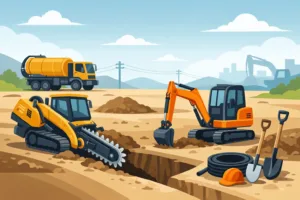
Earthmoving machinery is a major part of it, including excavators, skid steers, posi tracks, mini loaders and tipper trucks. These are common across construction, landscaping, drainage, demolition prep and general site works. They help move material faster and reduce manual labour on jobs where time matters.
Then there is equipment for concreting and floor preparation, such as concrete grinders, coring equipment and associated specialist tools. These machines are often too expensive to buy for one-off or occasional use, but they are essential when the work calls for them.
Hire fleets also commonly include support gear such as pumps, generators, trailers, pressure washers, ladders and scaffolding. These may not always be the headline machines on a job, but they keep projects moving. A delay caused by missing support equipment can be just as costly as not having the main machine.
When hiring makes the most sense
Rental suits short-term work best, but that is not the whole story. It also makes sense when you need a specific machine for a specific stage of a larger project. You might own some general gear already, but still hire specialised equipment to cover gaps in your fleet.
It also works well when you want to avoid downtime risk. If your own machine is out for repairs, hiring can keep the job moving. That matters when deadlines are tight and labour is already booked.
For growing businesses, rental can be a sensible way to test demand before buying. If a certain type of work becomes regular, ownership may make sense later. Until then, hiring avoids guessing wrong and locking money into the wrong machine.
There are times when buying is the better option. If a machine is used constantly, ownership can reduce long-term cost. But that depends on usage, maintenance capacity, storage and the type of work you do. There is no one-size-fits-all answer. The smart choice depends on how often the equipment earns its keep.
What to look for in a hire provider
Price matters, but it should not be the only thing you compare. Cheap hire is not much use if the machine is unreliable, the pickup process is slow, or the provider cannot help you choose the right equipment.
A good hire provider should have well-maintained equipment, clear hire terms and staff who understand how the gear is actually used on site. That practical support is worth a lot when you are trying to line up the right machine quickly. If the advice is solid from the start, you are less likely to lose time swapping gear or working around a poor fit.
Range matters too. Many jobs need more than one category of equipment, so it helps if the same provider can supply earthmoving machinery, trailers, floor prep gear, cleaning equipment and site support items without sending you all over town.
Flexible hire periods are another real advantage. Not every customer needs a full week. Sometimes a 4-hour hire is enough. Sometimes a weekend rate suits the job better than separate day hires. Practical options make it easier to keep costs under control.
For local customers, speed also counts. If you can get the equipment you need without stuffing around, the whole job runs better. That is one reason many Gold Coast tradies prefer dealing with a local hire business that knows the work, knows the area and keeps the process simple.
The real value of heavy equipment rental
Heavy equipment rental is not just about avoiding a purchase. It is about staying efficient. The right machine can cut hours off a job, reduce manual handling, improve finish quality and help crews meet deadlines without overcommitting capital.
That value shows up differently depending on the work. For one operator, it is about taking on bigger jobs without buying a new machine. For another, it is about getting through a busy period with extra capacity. For a project customer, it may simply be the fastest way to get the right gear on site and finish the work properly.
If you are weighing up whether to hire or buy, start with the job in front of you. Think about how often the equipment will be used, what downtime would cost, and whether the machine needs to be in your yard once the work is finished. If the answer points to short-term access over long-term ownership, heavy equipment rental is usually the practical call. And if you are not sure, the best move is often the simplest one – talk to someone who knows the gear and get the right machine lined up before the job starts.


Add comment