
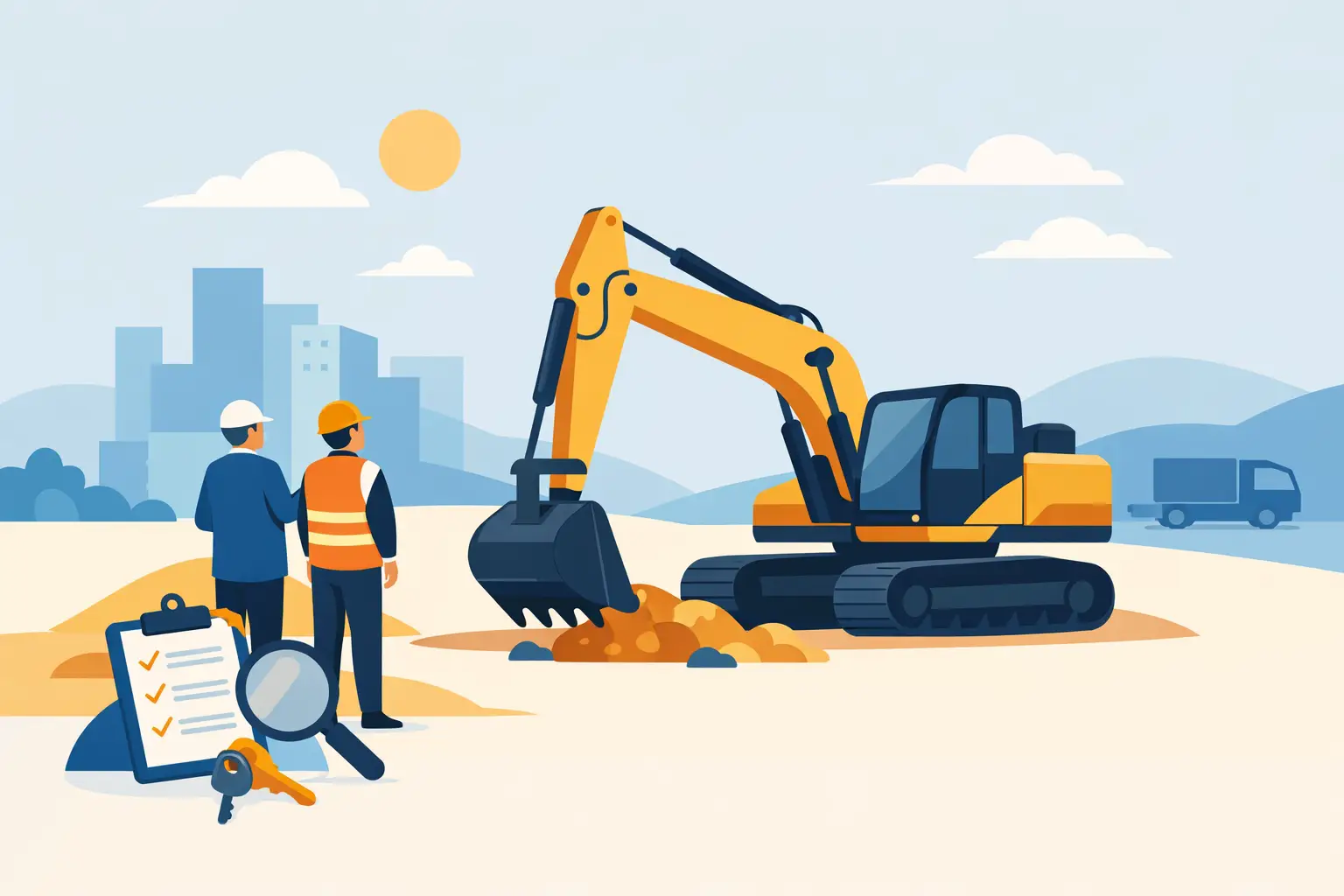
A tight side access, a pile of spoil and one day before the concreter arrives can turn a simple dig into an expensive delay. Knowing how to hire an excavator properly means choosing a machine that can physically get onto site, do the required work and stay productive for the full hire period. Get those details right before collection or delivery and the job moves faster.
An excavator is one of the most useful machines on a building, landscaping or maintenance site. It can dig footings, trench for services, clear soil, load a tipper, remove small stumps and prepare an area for drainage, retaining walls or paving. But excavators are not one-size-fits-all. Machine size, access, ground conditions, attachments and operator experience all affect what you should hire.
Start with the job, not the machine
Before asking for an excavator, define the work as clearly as possible. The depth and width of the dig matter, but so does the material you are working in. Clean topsoil, loose sand, compacted clay, rock and demolition rubble require different approaches. A small machine may be ideal for shaping a backyard, while a heavier excavator may be needed to break through hard ground or lift larger materials safely.
Think about what needs to happen after digging as well. If the excavator needs to load spoil into a trailer or tipper truck, check the loading height and available space for trucks to manoeuvre. If material is staying on site, allow a clear stockpile area. Moving soil twice wastes time, fuel and hire hours.
Give the hire team practical details: the type of work, approximate dig depth, the material on site, how much spoil needs moving and how long the job is expected to take. Photos of the access and work area can also help identify the right machine before it reaches site.
Choose the right excavator size
For many Gold Coast residential and trade jobs, a mini excavator is the sensible choice. It is compact enough for tighter sites, easy to transport and capable of serious digging, trenching and clean-up work. The right size still depends on access and workload.
A smaller excavator suits narrow gates, established yards, drainage runs and lighter landscaping work. It is easier to position and is less likely to cause unnecessary damage around gardens, paths and finished areas. The trade-off is reduced reach, lift capacity and breakout force.
A larger excavator is better suited to deeper excavations, heavier materials, harder ground and bigger volumes of spoil. It can make a large earthmoving job quicker, but it needs more room to operate and may not suit a suburban block with limited entry. Hiring too large can mean it cannot get through the gate. Hiring too small can leave you digging for longer than planned.
Check the machine dimensions, including its transport width and height, against the narrowest point of entry. Measure gates, side passages, carports and clearance around trees or buildings. Do not rely on a rough guess. A few centimetres can decide whether the excavator gets into the work area.
Check ground conditions and site access
Access is more than gate width. Consider slope, soft ground, overhead services, retaining walls and where the machine will turn. Wet turf, loose sand or freshly filled ground can affect stability and traction. If rain is expected, plan for how the machine will enter and leave without cutting up the site or becoming bogged.
Look above as well as below. Low branches, awnings, powerlines and service cables may restrict machine movement. Underground services are another major consideration. Before digging, identify the location of electrical cables, gas lines, water pipes, stormwater and communications services. Never assume a clear-looking patch of ground is free of services.
If the excavator will work near a boundary, house slab, pool or retaining wall, allow for safe clearances. Excavation can undermine nearby structures, particularly in sandy or unstable soils. For deeper digs or uncertain ground, get suitable professional advice before starting rather than trying to solve a collapse after it happens.
Hire the attachments that suit the work
The standard digging bucket will handle plenty of jobs, but the correct attachment can save hours. A narrow trenching bucket creates cleaner service trenches with less spoil to remove. A wider mud bucket is useful for levelling, battering and final trimming. A ripper can help loosen compacted ground, while an auger is often the faster option for fence posts, footings and planting holes.
If you are removing concrete, rock or hard material, ask whether a hydraulic hammer is required. It is not the attachment for every job, and it needs the right excavator and operating technique. The same applies to grabs and other specialised attachments. Describe the material and finish you need so the equipment can be matched to the task.
Attachments also affect the machine’s working weight, reach and stability. Use only attachments approved for that excavator, and make sure they are fitted and secured correctly before starting. If you are changing attachments on site, understand the connection procedure and keep hands clear of pinch points.
Work out the hire period and transport plan
A short trenching job may suit a four-hour hire, provided the site is ready and you have an experienced operator available. For anything involving preparation, changing weather, multiple tasks or spoil removal, a full-day or weekend hire may offer better value and less pressure. Rushing an excavation job to beat a collection time is when avoidable damage and mistakes happen.
Plan the sequence before the machine arrives. Mark the dig area, move vehicles, clear loose materials, organise spoil placement and confirm service locations. If a tipper truck, plumber, concreter or landscaper is involved, coordinate timing so the excavator is not sitting idle while another part of the job catches up.
Transport needs consideration too. An excavator must be carried on a suitable trailer or delivered to site. If you are towing it yourself, make sure the ute or vehicle has the legal towing capacity, the trailer is rated for the machine and attachments, and the load is secured correctly. You also need the appropriate licence and confidence to tow safely. Delivery can be the simpler option where access is tight, the job is urgent or you do not have compliant transport available.
Know who will operate it
Hiring an excavator does not automatically make someone ready to operate one. An experienced operator will work more accurately, recognise changing ground conditions and complete a job with less rework. If you are hiring for your own use, be honest about your capability. A compact excavator is straightforward to learn at a basic level, but safe, efficient excavation takes practice.
Before operating, familiarise yourself with the controls, emergency shut-off, travel functions, slew area and safe lifting limits. Wear suitable PPE, keep people out of the operating zone and never allow anyone to stand under a raised boom or bucket. Keep the blade and tracks positioned for stability, especially on slopes or when lifting materials.
Use a spotter where visibility is restricted, particularly around buildings, fences, vehicles and other workers. The operator should stop work if someone enters the exclusion area. Communication needs to be clear before the machine starts moving, not shouted across an active worksite.
Inspect the machine before leaving the yard
A quick inspection at collection prevents arguments and downtime later. Walk around the excavator with the hire staff and check the general condition, buckets or attachments, hoses, tracks, pins and hydraulic connections. Ask how to check fuel levels, where to find the operating instructions and what to do if a warning light appears.
Take photos of the machine before transport, particularly if there is existing cosmetic damage. Confirm the return fuel requirement, cleaning expectations and the agreed collection or return time. If the excavator is used in mud, concrete slurry or heavy clay, clean it before return where practical. Dried material around tracks and attachments takes time to remove and can affect charges.
Ask the questions that prevent downtime
The fastest hire is not always the cheapest rate on paper. A machine that is too small, the wrong bucket or an unplanned transport issue can cost far more in lost labour. When arranging hire, ask whether the excavator is available for your dates, what attachments are compatible, how it will be transported and what support is available if there is a problem on site.
It is also worth confirming fuel arrangements, excess-hour charges, damage responsibilities and whether the hire period includes weekends or collection times that suit your schedule. These details are straightforward, but they help you compare hire options properly.
For Gold Coast jobs, Small Hire can help match an excavator and suitable attachment to the work, whether you are cutting a drainage trench, preparing a landscape site or loading spoil for removal. Bring the site measurements, job details and timing with you. A few minutes spent planning the hire can save a full day of fixing the wrong choice once the machine is on site.





Add comment