
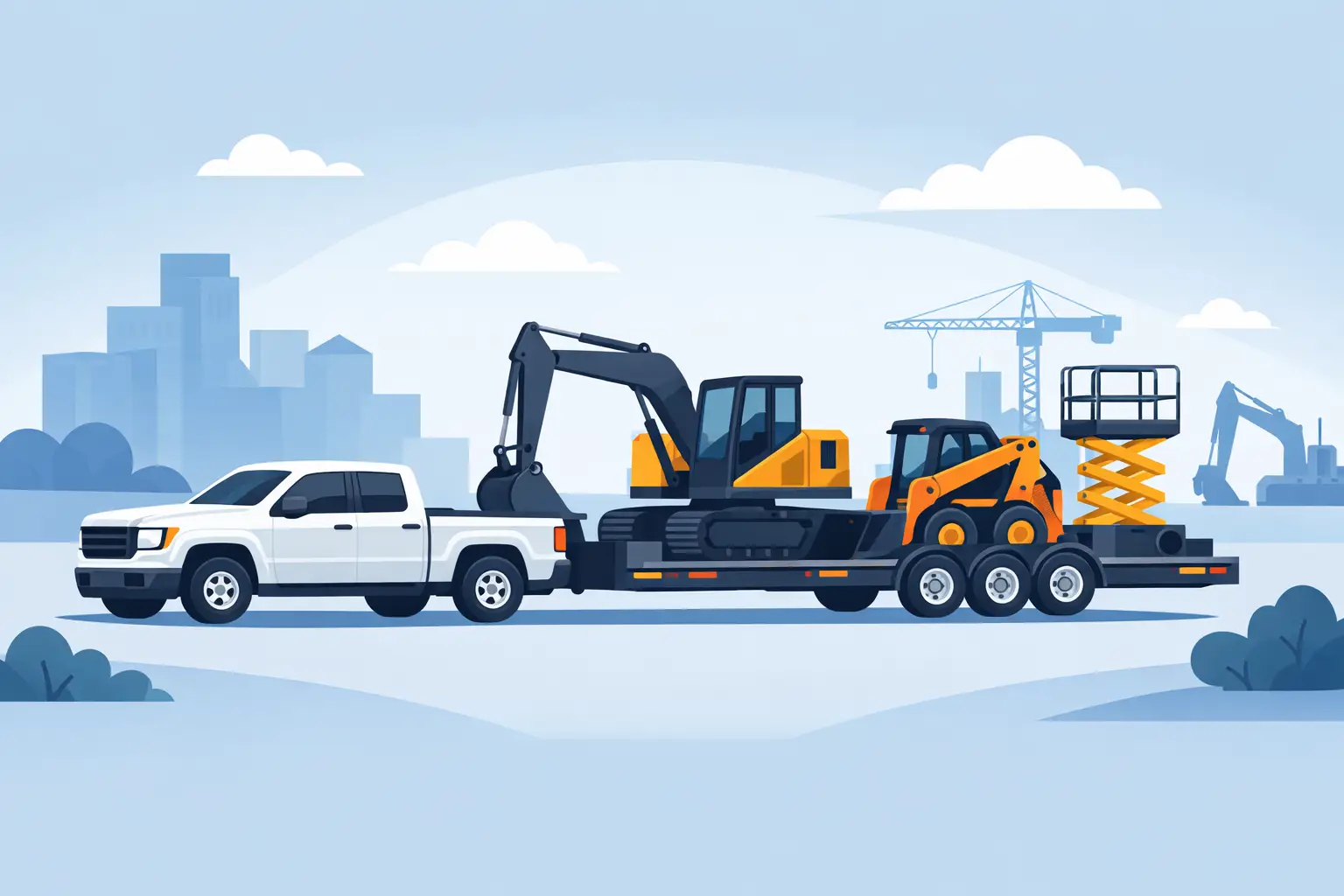
A machine that fits the job is only half the story. If you cannot get it to site safely, on time and without damaging gear or holding up the crew, the day starts going backwards before the work even begins. That is why trailer hire for equipment transport matters just as much as the equipment itself.
For tradies, contractors and serious project customers, the right trailer saves time, cuts down loading issues and helps avoid the common mistake of trying to move machinery on something that is too small, too light or not rated correctly. Whether you are shifting a mini loader, a concrete grinder, a small excavator attachment or general site gear, the trailer needs to suit both the equipment and the vehicle doing the towing.
Why trailer hire for equipment transport makes sense
Buying a trailer only stacks up if you are using it constantly and across the same type of work. A lot of customers do not need that. One week it is landscaping gear, the next it is floor prep equipment, then a pump, generator or compact machine for a short project.
Hiring gives you flexibility. You can match the trailer to the job instead of trying to make one trailer cover everything. That means better load balance, safer towing and less wear on your own gear. It also helps with cash flow. Rather than tying money up in a trailer that spends most of its life parked up, you hire when needed and keep moving.
There is also the practical side. Registration, maintenance, tyres, lights, brakes and general upkeep all come with trailer ownership. If you hire, those basics should already be sorted so you can focus on the job.
Choosing the right trailer for equipment transport
The right trailer is not just about whether the machine fits on the deck. It comes down to carrying capacity, trailer weight, braking setup, ramp access and how the load will sit once it is tied down.
A small plant trailer might suit compact equipment and general site tools, but heavier machinery may need a more purpose-built trailer with suitable load ratings and better support for loading. If the trailer is undersized, the problem is not just inconvenience. You risk poor towing behaviour, overloaded axles and a setup that is not roadworthy.
This is where a quick conversation with experienced hire staff saves headaches. If you know the make and model of the equipment, or even just the type of machine and what vehicle you are towing with, it is much easier to work out the right option from the start.
Know your towing limits before you book
One of the biggest issues with equipment transport is assuming the tow vehicle can handle more than it actually can. The trailer might be rated for the load, but that does not mean your ute, van or truck is.
You need to account for the trailer’s tare weight, the weight of the equipment, fuel, attachments and any extra gear loaded alongside it. Then check that against the vehicle’s towing capacity and tow ball download limits. It sounds basic, but it gets missed all the time.
If you are close to the limit, the job can quickly become awkward. Braking distances change, handling feels ordinary and even a short run across the Gold Coast can turn into something you would rather not repeat. When it comes to towing, close enough is not good enough.
Loading method matters
Not every piece of equipment loads the same way. Wheeled machines, tracked machines and palletised gear all place weight differently. A trailer with ramps might be the obvious choice for some jobs, but deck height, ramp angle and machine clearance still matter.
For example, a low-clearance machine can scrape on steep ramps. A narrow track machine may fit the trailer width but still feel unstable during loading if the ramp spacing is wrong. Smaller tools and attachments might be easier to load by hand or forklift, depending on the setup.
That is why the trailer needs to suit the equipment in real terms, not just on paper.
What customers usually transport
Trailer hire for equipment transport is commonly used for compact machinery, floor preparation gear, landscaping equipment, pressure washers, pumps, generators and a wide range of site tools. It can also be useful for moving attachments, demolition gear or concreting equipment between jobs.
The transport requirement changes depending on the work. A landscaper may need to move a mini loader and a few attachments. A concreter might need coring gear, grinders or compact site equipment. A maintenance crew may just need a practical trailer for several smaller items that need to arrive together.
In each case, the trailer should match the load profile, not just the biggest item. If you load a trailer well for one machine but leave no room for the rest of the gear, it is not a great transport solution.
Safety is not just about tie-downs
Tie-down points are important, but safe equipment transport starts before the straps come out. Weight distribution across the trailer is what keeps the load stable on the road. Too much weight at the rear and the trailer can sway. Too much at the front and you overload the tow ball and affect steering.
Once the equipment is positioned properly, then the restraints matter. Straps, chains and load binders need to suit the machine and be secured to rated points. Loose buckets, attachments and small items should not be left to move around. Even a minor shift can damage equipment or make unloading unsafe.
Lighting, brakes, tyre condition and trailer couplings also need to be right. None of that is exciting, but it is the difference between a straightforward run and a transport issue that costs time on site.
When trailer hire is better than delivery
Delivery can be the best option for some jobs, especially if the machine is larger or the site access is tight. But trailer hire has its place, particularly when timing matters and the equipment needs to move between multiple sites or come back outside standard delivery windows.
If you are running your own schedule, having a trailer gives you control. You can pick up early, shift gear during the day and return when the job is done instead of waiting around for a transport slot. That flexibility is useful for short hires, weekend work and jobs that change quickly.
The trade-off is that you need the right tow vehicle, a licensed and capable driver, and enough confidence loading and securing the equipment properly. If any of those are missing, delivery may be the better call.
How to make equipment transport faster on the day
A lot of delays happen before the trailer leaves the yard. The fastest hires usually come from customers who have a few details ready – what equipment they are moving, approximate weight, whether there are attachments, and what vehicle is doing the towing.
From there, loading is easier when the trailer deck is clear, tie-down gear is ready and the route is planned. It also helps to think about unloading before you leave. A flat, stable area at site is ideal. If the ground is soft, steep or uneven, unloading can become the slowest part of the whole job.
For local customers who need quick turnaround, working with a hire yard that understands both the equipment and the transport side makes a real difference. Small Hire, for example, works with the kind of customers who want practical advice, quick pickup and gear that is ready to go.
Common mistakes to avoid with trailer hire for equipment transport
The most common mistake is choosing by size alone. A trailer can look big enough and still be wrong because of weight limits, deck setup or braking. The second mistake is underestimating the total load once attachments, fuel and extra tools are included.
Another issue is poor load placement. Even when the trailer and vehicle are rated correctly, a badly balanced load can tow terribly. Then there is the rush factor – equipment gets loaded quickly, tied down loosely and sent off because everyone wants to get moving. That usually costs more time later.
If you are not sure, ask. A quick check before pickup is far easier than reloading a machine on the side of the road or finding out at site that unloading is unsafe.
Getting the right trailer without wasting time
Good trailer hire is simple. Know what you are moving, know what is towing it, and make sure the trailer is suited to both. If the job is changing, or you are moving specialised gear, get advice before booking rather than trying to sort it out in the yard.
Equipment transport does not need to be complicated, but it does need to be thought through. The right trailer helps you get the gear there safely, keep the day on track and start work without the usual transport dramas. If you are hiring machinery for a real job, that is not an extra – it is part of getting the work done properly.




Add comment