
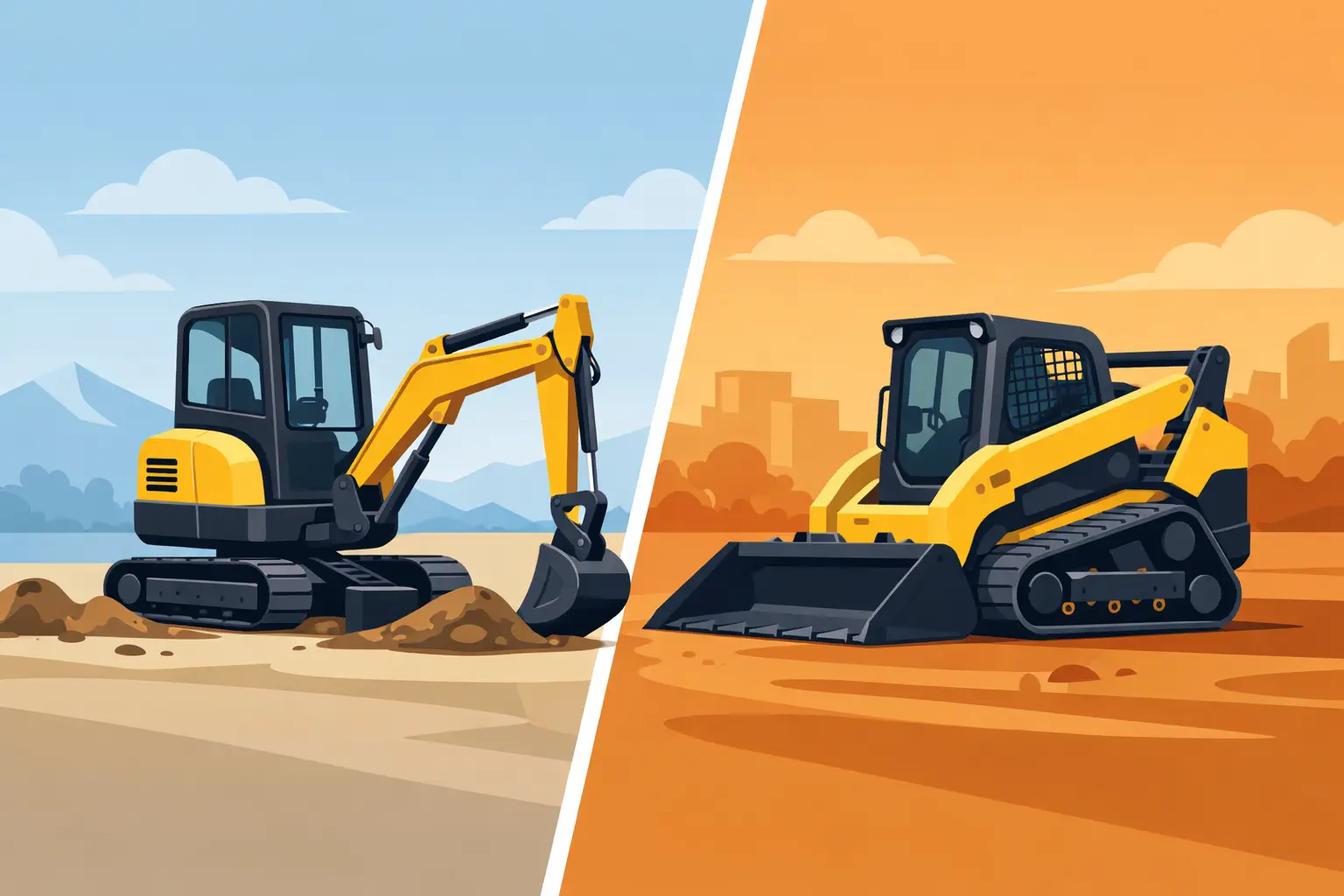
When a job could go either way, the call between a mini excavator versus posi track usually comes down to one thing – what slows you down least on site. Plenty of operators look at size first, but that only tells half the story. The real difference is how each machine works through the ground, handles access, and keeps the job moving without extra labour or changeovers.
If you’re trenching for services, cleaning up around footings, shaping a tight backyard or shifting spoil across soft ground, picking the wrong machine costs time fast. You either end up undergunned, overhandling material, or chewing up finished surfaces that didn’t need touching. That’s why this comparison matters before the machine gets loaded, not after it arrives.
Mini excavator versus posi track – what changes on site?
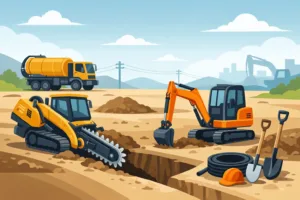
A mini excavator is built for digging precision. It gives you a boom, dipper arm and bucket that can work below ground level, around obstacles and close to structures. On smaller residential and commercial jobs, that means cleaner trench lines, more controlled excavation and less hand digging at the end.
A posi track is built around traction, lift and material movement. It carries attachments well, spreads weight over tracks, and gets around sites that would bog heavier wheeled gear. If the job is more about shifting spoil, levelling, backfilling, loading, scraping or site clean-up, a posi track often covers more ground in less time.
That is the basic split, but most jobs are not that neat. You might need to trench and move spoil. You might need to cut a pad and then spread material. You might be working in a narrow access area with soft ground after rain. That’s where the decision needs a closer look.
When a mini excavator is the better hire
If the work starts with digging, the mini excavator is usually the safer choice. It is purpose-built for trenching, footing excavation, stump removal, drainage work and detailed earthmoving where you need control more than bulk movement. The house, fence line, retaining wall or pool shell often leaves little room for error, and an excavator lets you place the bucket exactly where it needs to go.
Mini excavators also make sense when access is tight. Side access on Gold Coast residential blocks can be unforgiving, and a compact excavator can often get where larger plant cannot. Even when a posi track fits physically, it may not turn as cleanly or work as neatly in a confined spot.
Another advantage is reduced surface disturbance in the immediate work zone. Because the machine can sit to one side and reach into the dig area, you are not always driving over the exact ground you are working. That can matter on landscaped sites, around pools, near concrete edges and in yards where clean-up time needs to stay down.
The trade-off is speed once spoil starts piling up. A mini excavator can dig it efficiently, but it is not the quickest machine for carrying material from one end of the block to the other. If your site needs a lot of relocation, loading or spreading after excavation, the excavator may need support from another machine.
When a posi track is the better hire
A posi track comes into its own when the job is more about moving, carrying and shaping than pure excavation. If you are backfilling trenches, loading trucks, spreading topsoil, trimming a site, shifting mulch, cleaning up demolition material or carrying spoil out over soft ground, it can save serious time.
Tracked loaders are also strong performers on wet or loose surfaces where traction matters. Sand, fill, damp ground and uneven terrain can slow other machines down, but a posi track is made to keep pushing through. On landscaping and civil prep work, that can be the difference between a half-day job and an all-day one.
Attachment flexibility is another reason operators choose a posi track. Buckets, forks, trenchers and other attachments widen what the machine can do across a single hire period. If the site plan changes, or the scope includes more than one type of task, that flexibility can be handy.
The limitation is obvious once you need depth and finesse. A posi track can scrape, carry and rough-cut, but it cannot match a mini excavator for trench accuracy, below-ground work or reaching around services and structures. You can force it into digging work, but that often means slower progress and a rougher result.
Digging, trenching and service work
For plumbing trenches, electrical runs, drainage lines and footing cuts, the mini excavator generally wins. You get better bucket control, better digging angles and less over-excavation. That means less spoil to remove and less material to bring back in for backfill.
A posi track can assist on these jobs, especially if the excavator is producing more spoil than labour can manage. But if you only hire one machine and trenching is the main task, the excavator is usually the practical call.
This is one of those areas where the phrase mini excavator versus posi track is not really a 50-50 debate. The excavator is designed for this work. The posi track is support equipment unless the trenching is shallow and the finish does not need to be exact.
Site cuts, clean-ups and moving material
Once the job shifts from digging to handling material, the balance changes. A posi track can collect spoil, carry it, load it, spread it and return for another pass quickly. On larger residential blocks, commercial sites and landscape prep, that constant cycle matters more than digging reach.
If the job is a house pad trim, a yard regrade, a clean-up after demolition or moving piles of gravel, crusher dust or soil, a posi track often gives better production. It is also easier to use for repeated shuttle runs where an excavator would spend too much time tracking and repositioning.
That does not mean the posi track is always gentler on the site. Depending on the ground conditions and operator input, tracked loaders can mark finished surfaces during tight turns. If you are working on established lawns or decorative landscaping, the machine choice should factor in both productivity and reinstatement costs.
Access, ground pressure and finished surfaces
Access is not just about machine width. It is about turning room, overhead clearance, fence lines, trees, retaining walls and where spoil needs to go. A mini excavator can often work effectively in a tighter footprint because the upper structure does the reaching while the tracks stay planted.
A posi track needs enough room to travel, turn and carry. On open sites that is no issue. In cramped side access or between existing structures, it can feel bigger than the spec sheet suggests.
Ground pressure matters too. Both machines have tracks, but they behave differently. A posi track spreads weight well and handles softer surfaces with confidence. That makes it useful after rain or on loose fill. A mini excavator is also capable on soft ground, but if the real task is repeated movement with a load, the posi track usually holds the advantage.
On finished or near-finished surfaces, neither machine gets a free pass. Good access planning, sensible travel paths and the right operator make the biggest difference.
Which one helps finish faster?
If the job is mostly excavation, the mini excavator finishes faster because it does the core task properly from the start. If the job is mostly loading, carrying, spreading or site prep, the posi track usually wins for speed. Most frustration happens when people hire for the secondary task instead of the primary one.
It also comes down to what happens after the first hour. A machine that starts strong but needs handwork, double handling or constant repositioning is not really saving money. Hire cost matters, but site time, labour and clean-up matter more.
For mixed jobs, it can be worth thinking in stages. First machine for excavation, second machine for material handling. That sounds like extra spend, but on the right project it is cheaper than stretching one machine across work it does poorly.
The right call depends on the job, not the brochure
The best choice in a mini excavator versus posi track comparison is usually the one that matches the main bottleneck on site. If you need to dig accurately, work in tight access and keep disturbance down, start with the mini excavator. If you need traction, loading power and faster material movement, the posi track is likely the better hire.
There is no prize for making one machine do everything. The smarter move is to be clear about the first task, the slowest task and the messiest task, then hire around that. If you’re not sure which way to go, a quick chat with experienced hire staff can save a lot of wasted hours once the machine hits the ground.
The right machine should make the job feel straightforward, not like a workaround.





Add comment