
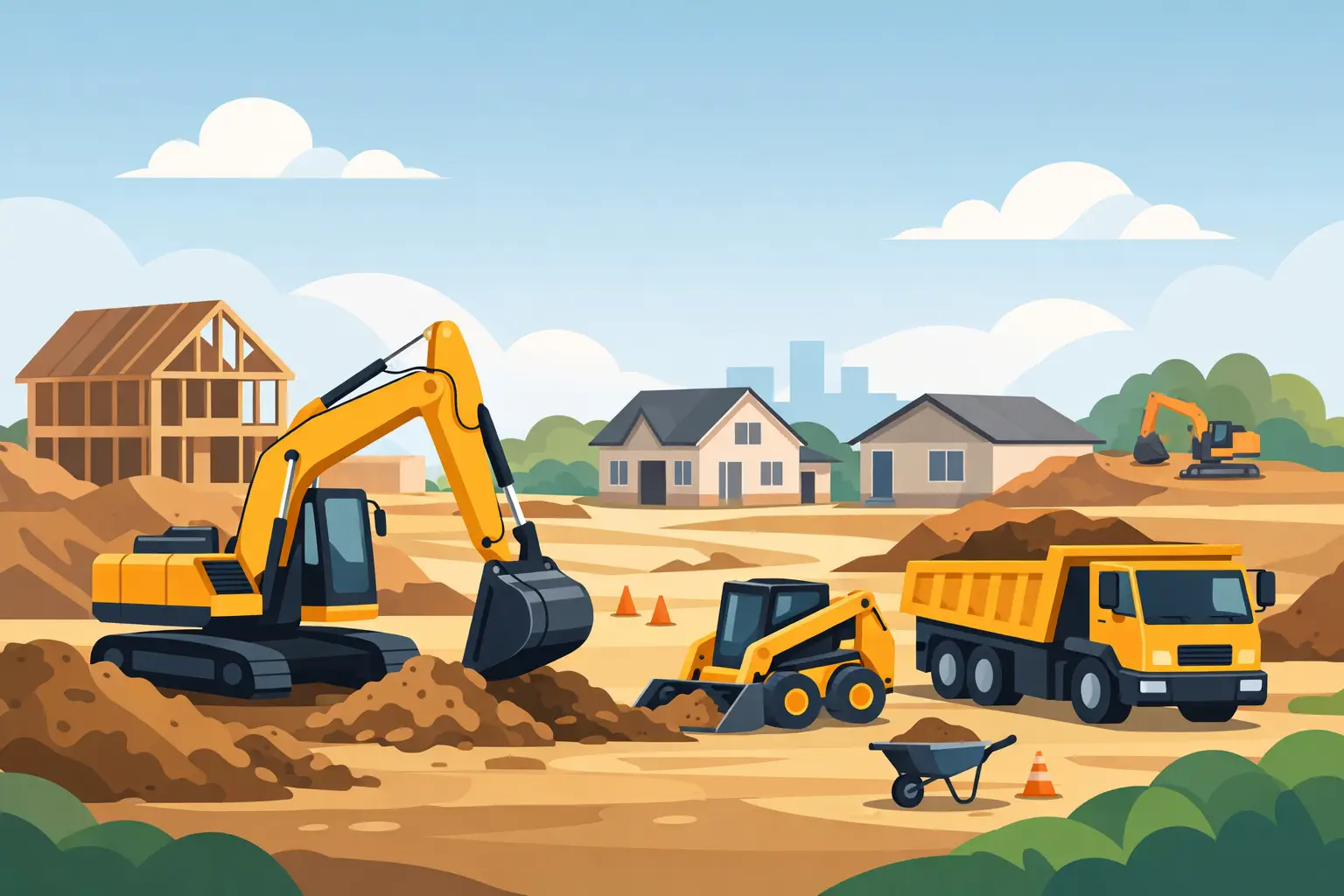
Tight access, nearby fences, existing services and impatient neighbours can turn a simple dig into a slow, messy job. That is why earthmoving hire for residential sites needs a bit more thought than just booking the first machine available. On house blocks, renovation sites and backyard projects, the right hire saves time, limits damage and keeps the job moving.
Residential work is rarely about brute force alone. You might be cutting for a slab extension, levelling a yard, trenching for drainage, removing spoil or cleaning up after demolition. The machine has to suit the site, the material and the timeline. Go too small and the job drags out. Go too large and you risk tearing up access, struggling with clearance or paying for capacity you do not need.
What makes residential earthmoving different
A residential site usually gives you less room to move and less margin for error. Access can be through a side gate, down a narrow driveway or around an existing house. There may be retaining walls, pools, garden beds, footpaths and underground services already in place. Even where the job itself is straightforward, the site conditions are not.
That is where good planning matters. Earthmoving hire for residential sites should be based on more than the volume of soil to move. You need to consider gate width, overhead clearance, turning space, ground conditions and how spoil will be loaded out. A compact excavator or mini loader can often do a cleaner job than a larger machine simply because it can work without constantly repositioning or damaging the surrounding area.
Noise and time on site also matter more in residential areas. If you can hire the right gear for a four-hour push and get the bulk of the work done in one go, that can be better value than stretching a smaller setup across a full day.
Choosing the right machine for the job
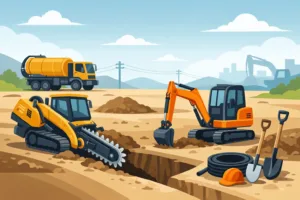
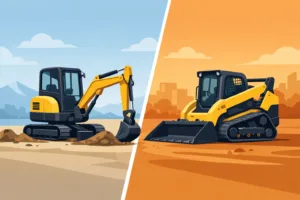
The best machine depends on what you are actually trying to achieve. For trenching, footing excavation and detail work around structures, an excavator is usually the first pick. It gives you digging reach and accuracy, especially where you need to work close to buildings or boundaries.
For moving material, levelling, backfilling and general site clean-up, a posi track, skid steer or mini loader often makes more sense. These machines are quick, compact and useful across multiple stages of a residential project. If you are shifting soil, gravel or demolition material from one end of the block to the other, they can save a lot of labour.
A tipper truck becomes important when spoil has to leave site rather than just be stockpiled. Plenty of residential jobs stall because the excavation is done but the material has nowhere to go. Matching the digging gear with the right haul-out option keeps the site usable and avoids double-handling.
There is also the question of attachments. Buckets, augers and other setup choices can change how efficiently the machine performs. If you are drilling post holes for fencing or landscaping, an auger setup can turn a slow manual task into a quick one. If you are scraping and levelling, the right bucket size makes a noticeable difference.
Size matters, but only up to a point
It is easy to assume a bigger machine will finish faster. Sometimes it will. On residential sites, though, bigger is not always better. If the machine cannot access the work area cleanly, or it chews up the approach before the main task even starts, the time savings disappear.
Compact machines tend to suit house sites, backyards and renovation jobs because they are easier to manoeuvre and generally less disruptive. They can work in tighter spaces, load out more precisely and reduce the risk of unnecessary repair work afterwards. That matters if the client wants the lawn, driveway or surrounding landscaping left in decent shape.
On the other hand, hiring too small can be false economy. If you have a large cut, heavy clay or a substantial amount of spoil to move, an undersized machine can turn one shift into two. The right call is usually the smallest machine that can still do the work efficiently.
Site access and ground conditions
Before booking anything, measure the access. Do not guess. Gate openings, driveway widths and side clearance around the house all matter. So does vertical clearance under eaves, carports or tree branches. A machine that fits on paper but cannot be loaded in safely is no help once it arrives.
Ground conditions are the next issue. Wet soil, soft lawns and recently filled areas can affect what machine works best. Tracked equipment often spreads weight better and handles softer ground more confidently, while wheeled machines may suit firmer surfaces and hardstand areas. If rain is likely, that should be part of the conversation before the hire starts, not after the site is already churned up.
Underground services are another non-negotiable. Water, power, gas, sewer and stormwater all need to be identified before excavation starts. Residential blocks can have surprises, especially on older properties or sites with previous additions. Safe digging is not just about avoiding delays. It protects people, property and the budget.
Getting better value from earthmoving hire for residential sites
Price matters, but day rate alone does not tell the full story. Better value usually comes from hiring the right machine, for the right period, with the right attachment, so the work gets done properly the first time. A cheaper machine that adds half a day of labour or creates extra clean-up is not cheaper in the end.
Flexible hire periods are useful on residential jobs because many tasks do not need a full week of equipment sitting idle. Short hires can suit trenching, quick site cuts, yard reshaping or a fast clean-up before the next trade steps in. Weekend value can also help owner-builders and serious DIY customers line up work without blowing the budget.
It also pays to think about the full job sequence. If you need excavation first, then spoil removal, then levelling and compaction, planning those stages early can stop downtime between hires. The goal is simple: keep the machine working while it is on site.
When operator experience changes the outcome
Some residential jobs are straightforward enough for experienced hands-on customers to manage with the right machine. Others need more care. Tight digs near existing structures, detailed cuts for drainage falls, or sites with difficult access can quickly punish inexperience.
That is where speaking to someone who knows the gear is worth it. A quick conversation about the job can save a lot of wasted time. You might find the original machine choice is too big, too light-duty or missing the attachment that actually makes the task efficient. Small Hire works with plenty of local trade and project customers in exactly this position – they know roughly what needs doing, but they want to avoid hiring the wrong setup.
Common residential jobs that suit hired earthmoving gear
Residential earthmoving covers more than major excavation. A lot of smaller jobs still benefit from the right machine. House pad preparation, turf removal, trenching for drainage, yard levelling, retaining wall prep, driveway base work, fence footings and post-hole boring are all jobs where hire makes practical sense.
The same applies to clean-up after demolition, storm damage or a backyard overhaul. Manual labour can get it done eventually, but machinery shortens the timeline and reduces strain on the crew. For builders, landscapers and renovators trying to keep the next stage on schedule, that matters.
A few mistakes worth avoiding
One of the most common mistakes is hiring based on habit rather than site conditions. Just because a certain machine worked on the last job does not mean it suits the next one. Residential sites vary too much for that.
Another is underestimating spoil. Excavated material takes up more room once it is out of the ground, and many sites do not have the space to stockpile it neatly. If disposal is part of the job, organise that from the start.
The last one is rushing access checks. A machine that arrives and cannot reach the work area costs time straight away. A five-minute measure-up before booking is cheaper than rebooking the whole job.
If you are lining up earthmoving hire for a residential site, keep it simple. Know the access, know the ground, know what the machine actually needs to do, and ask questions before the hire starts. The right setup gets the site ready faster, keeps the mess under control and makes the rest of the job easier from day one.





Add comment