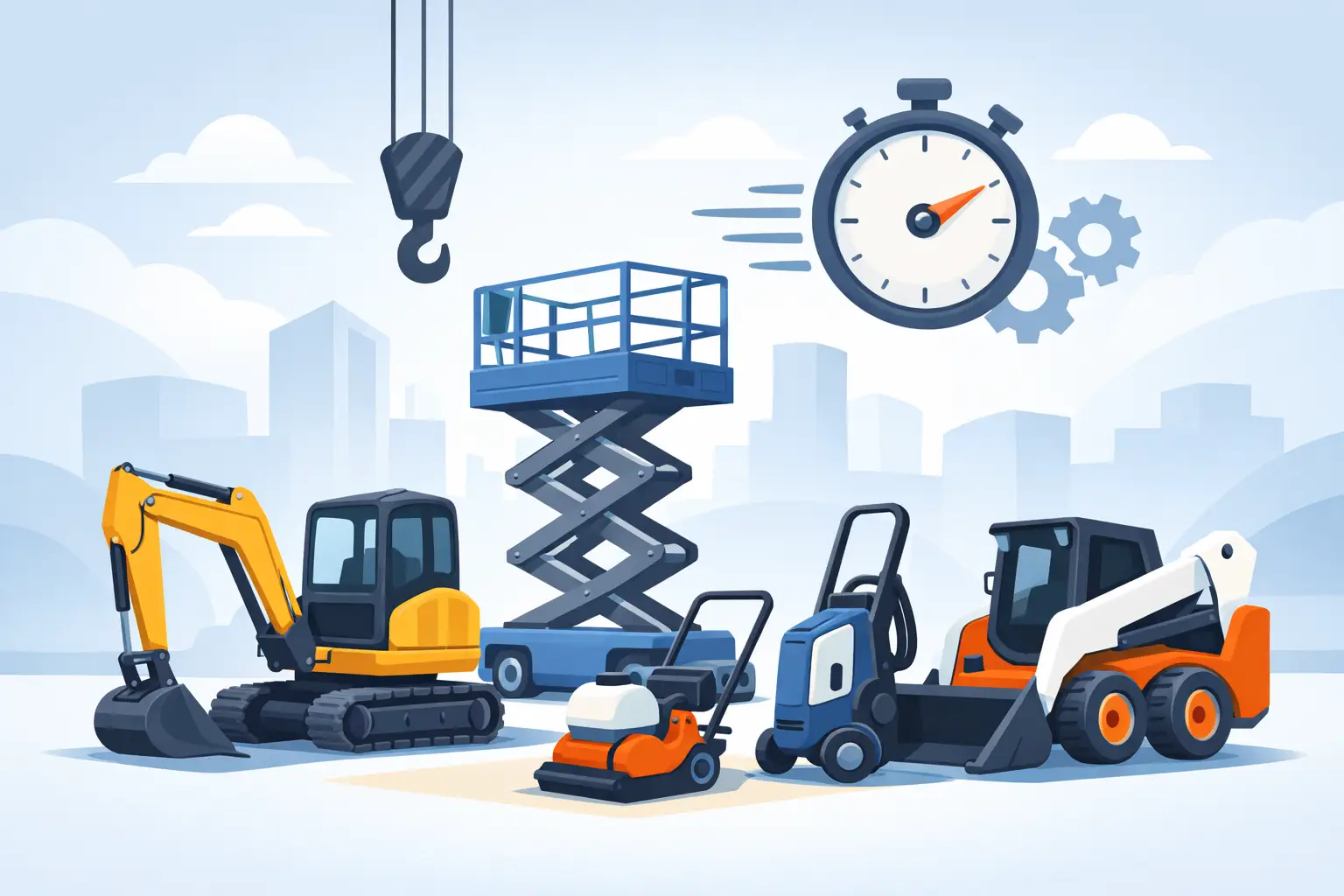
Some gear barely makes it back to the yard before it is booked again. That usually tells you what the most popular hire equipment really is – not the flashiest machine, but the one that saves hours, labour and hassle on live jobs.
On the Gold Coast, the pattern is pretty clear. Contractors, owner-operators and serious DIY customers tend to hire equipment that solves one of three problems fast: moving material, breaking ground, or getting a specialised task done without buying a machine that will sit idle next week. That is why the busiest hire categories are usually compact earthmoving gear, concreting and floor prep tools, access equipment, and site support items that keep work moving.
What makes hire equipment popular?
Popular equipment is not always the biggest or most expensive item in the fleet. It is usually the machine that fits the widest range of jobs and can be put to work straight away. A mini excavator, for example, can handle trenching, footing prep, drainage work, light demolition and general site clean-up. That kind of versatility makes it a regular booking.
The same goes for specialised tools. Concrete grinders, core drills, pressure washers and pumps are popular because they let crews tackle short, technical jobs without tying up capital in equipment they may only need now and then. If a tool can shave half a day off labour or stop a project stalling, it tends to stay in demand.
There is also a simple cost factor. Hiring makes sense when the job is short, the equipment is specialised, or transport and storage would be a headache if you owned it. For plenty of trade customers, that is the difference between keeping overheads under control and wasting money on underused gear.
Most popular hire equipment on active job sites
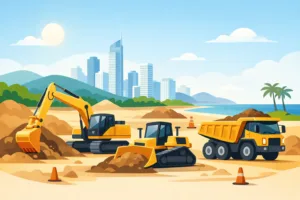
Mini excavators and compact diggers
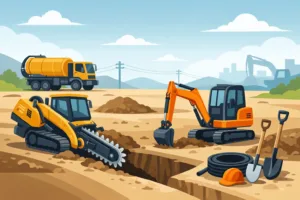
Mini excavators are near the top of the list for a reason. They are small enough to work in tighter access areas but strong enough for trenching, post holes, stump removal, site cuts and service runs. Builders, plumbers, landscapers and civil crews all lean on them.
Their popularity comes down to flexibility. One machine can handle a backyard drainage job in the morning and footing prep in the afternoon. The trade-off is capacity. If you are moving serious volume or working on a big open site, a larger machine may be the better call. But for suburban access and smaller commercial work, compact diggers are hard to beat.
Posi tracks, skid steers and mini loaders
If a job involves shifting soil, gravel, turf, rubble or spoil, loaders stay busy. Posi tracks and skid steers are some of the most popular hire equipment because they cut manual handling and speed up site clean-up, backfilling and material placement.
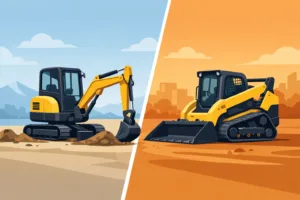
The choice between them depends on the ground and the job. Posi tracks are often the better option on softer or uneven surfaces because they spread weight better and keep traction. Skid steers suit harder ground and can be ideal where manoeuvrability matters. Mini loaders come into play where access is tighter again. None of them is the right answer for every site, which is why getting the machine matched properly matters.
Tipper trucks and trailers
Moving material off site is just as important as moving it around. Tipper trucks stay popular because they save time on carting spoil, green waste, rubble and bulk supplies. For landscapers, concreters and small civil crews, they are often the link that keeps the whole job moving.
Trailers are another steady favourite, especially for customers who have their own towing vehicle and just need practical transport for machinery or materials. They are not glamorous, but they solve a real problem. On short jobs, that kind of convenience matters as much as machine power.
Most popular hire equipment for concreting and floor work
Concrete grinders and floor preparation gear
Floor prep is one of those stages where the wrong equipment costs time fast. Concrete grinders are regularly hired for surface removal, adhesive clean-up, levelling high spots and prep before coatings or finishes. Flooring contractors use them constantly, but they are also common on renovation and maintenance work.
What makes them popular is the result. A proper grinder gets the slab ready faster and more evenly than improvised methods. The catch is that not every grinder suits every floor. Machine size, power and the type of segment or tooling all affect the finish and speed. If you are grinding coatings, glue, paint or hard concrete, it pays to match the machine to the slab.
Core drills and coring equipment
Core drilling is specialised enough that most crews do not want to own the equipment unless they use it all the time. That is exactly why it stays in demand. Plumbers, electricians, builders and service installers hire coring equipment for clean penetrations through concrete, block and masonry.
The job may only take a short time, but it needs to be done properly. That makes coring gear one of those high-value hires – not because it runs all week, but because it solves a precise job without compromise.
Saws, breakers and demolition tools
Concrete saws and demolition gear are another regular part of the hire mix. Whether it is cutting control joints, removing a section of slab, chasing concrete or breaking out old footings, these tools save crews from buying equipment that may only be used occasionally.
There is an obvious trade-off here. Smaller hand tools can be easier to transport and set up, but larger dedicated equipment may finish the job quicker with less operator fatigue. It depends on volume, access and how long the work will run.
Access and site support equipment that stays busy
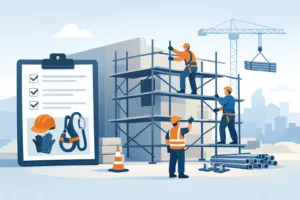
Ladders and scaffolding
Access equipment is easy to overlook until a job needs it urgently. Ladders and scaffolding remain some of the most practical and most popular hire equipment because painting, maintenance, fit-outs, repairs and exterior works all depend on safe access.
For short-duration jobs, hiring is usually the sensible option. It keeps storage simple and means customers can get the right height and setup without carrying every variation themselves. The key is choosing based on safe working conditions, not just what is available in the ute.
Generators, pumps and pressure washers
These are the problem-solvers of the hire yard. A generator keeps tools running where site power is not ready. A pump deals with water where it should not be. A pressure washer sorts clean-up at the end of the day or gets surfaces ready for the next stage.
They stay popular because they remove delays. You may not need them on every job, but when you do, they are hard to substitute. A flooded trench, dirty slab or power issue can stall a crew quickly, so support equipment often punches above its size in terms of value.
Why compact equipment keeps winning
Across construction, landscaping and maintenance work, compact machines and specialist tools are often hired more than larger heavy plant. That is partly because many Gold Coast jobs involve residential access, smaller commercial sites and project work that changes day to day.
Compact equipment is easier to transport, quicker to set up and more cost-effective on short hires. If a machine can get through a side gate, work without tearing up the site and still finish the task properly, it will stay popular. Bigger is not always better. On many jobs, it is just slower to organise and more expensive than necessary.
That is also why flexible hire terms matter. A four-hour hire, a day rate or a weekend booking can make more sense than locking in equipment for longer than needed. The best hire is not the biggest machine. It is the one that gets the work done on time without blowing the budget.
Choosing the right equipment, not just the popular option
The most popular hire equipment earns that status because it works across plenty of jobs, but popularity should not be the only factor. Site access, ground conditions, material type, transport, operator experience and the actual task all matter. A machine can be in high demand and still be wrong for your site.
That is where practical advice saves time. If you are trenching in tight access, grinding a hard slab, shifting spoil off a wet block or setting up for a short maintenance job, the details change the best choice. Hiring from a team that knows the gear helps avoid the usual problems – underpowered machines, overkill on size, or booking the wrong attachment and losing half a day.
Small Hire sees the same thing every week. The equipment that stays busiest is the equipment that helps customers finish the job faster, with less labour and less downtime.
If you are planning your next project, start with what the job actually needs, not just what looks good on paper. The right hire gear should make the work simpler from the first hour on site.




Add comment